
Red Coral Bells
Red Coral Bells
Couldn't load pickup availability
3300 Seeds
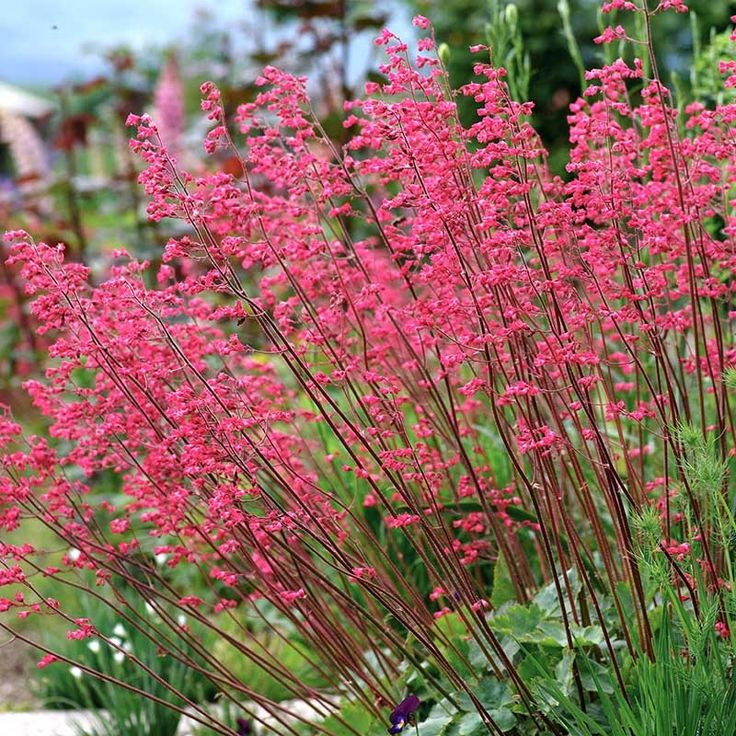
Red Coral Bells (Heuchera sanguinea) is a compact perennial grown for its attractive foliage and delicate, bell-shaped flowers. The flowers are typically bright red to coral-red and are carried on slender stems above the foliage.
It is a cool-climate perennial that prefers moderate temperatures, partial shade, fertile soil, and consistent moisture. In the Gulf, it is best treated as a cool-season ornamental plant, with protection from intense summer heat.
🌱 Best Planting Time
- Gulf region: September–March
- Kuwait: October–February
- Best period in Kuwait: October–December
- A second sowing can be attempted in February if temperatures remain moderate.
- Avoid germinating or establishing young plants during the extreme summer heat.
🌿 How to Plant the Seeds
- Use a fine, fertile, well-draining seed-starting mix.
- Moisten the growing medium before sowing.
- Scatter the tiny seeds gently over the surface.
- Do not bury the seeds deeply. Press them gently against the surface because light helps germination.
- Mist gently with water to avoid displacing the seeds.
- Cover the seed tray with a clear humidity cover if necessary, while allowing some ventilation.
- Place the tray in a bright location away from strong direct afternoon sunlight.
- Keep the growing medium consistently moist but never waterlogged.
- Once seedlings develop several true leaves, transplant them carefully.
Because Heuchera seeds are very small and light-sensitive, surface sowing is preferable to deep planting.
🌡️ Germination
- Ideal temperature: approximately 18–21°C
- Germination time: approximately 2–4 weeks, sometimes longer.
- Keep the seed tray evenly moist during this period.
- Avoid high temperatures because excessive heat can reduce germination and weaken young seedlings.
In the Gulf, germination indoors or in a cool, protected area is recommended when outdoor temperatures are too high.
🌱 Transplanting
Transplant seedlings once they have developed several true leaves and are large enough to handle.
- Plant spacing: approximately 25–35 cm
- Handle the young roots carefully.
- Plant at the same depth as the seedling was growing in its container.
- Water gently after transplanting.
- Gradually acclimatize seedlings to outdoor conditions.
☀️ Sunlight
- Partial shade is preferred in the Gulf.
- Morning sun with afternoon shade or filtered light is ideal.
- In cooler winter weather, plants can tolerate more sunlight.
- Avoid strong Gulf afternoon sun, especially for young plants.
Too much heat and intense sunlight can cause leaf scorch, wilting, and poor flowering.
💧 Watering
- Keep the soil evenly moist during germination.
- Water regularly during establishment.
- Once established, water when the upper layer of soil begins to dry.
- Avoid allowing the plant to dry out severely.
- At the same time, avoid constantly saturated soil.
Good drainage is particularly important because wet conditions around the crown can lead to rot.
🌱 Soil
Use fertile, humus-rich and well-draining soil.
A suitable mixture can include:
- Quality potting soil
- Mature compost
- Perlite or pumice
- A small amount of coarse material to improve drainage
The soil should retain some moisture while allowing excess water to drain quickly.
🌿 Fertilizing
- Add mature compost before planting.
- Use a mild balanced fertilizer during active growth.
- Feed lightly rather than heavily.
- Avoid excessive nitrogen, which can produce soft, overly leafy growth.
- Container-grown plants can receive occasional light feeding during their active growing period.
🌸 Flowering
Red Coral Bells produces delicate red to coral-red bell-shaped flowers on upright, slender stems.
Flowering is generally favored by cool to moderate conditions. In the Gulf, flowering may be less abundant if plants experience excessive heat.
Removing faded flower stems can help maintain a neat appearance and may encourage additional flowering under suitable conditions.
🪴 Growing in Containers
Coral Bells can be grown successfully in containers, especially in the Gulf where containers allow greater control over heat and shade.
- Use a container approximately 20–30 cm wide and deep for an established plant.
- Ensure excellent drainage.
- Use a fertile, moisture-retentive but well-draining potting mix.
- Place the container where it receives morning light and afternoon shade.
- During extreme summer heat, move the container to a cool, bright, protected location.
🌿 After Flowering
- Remove faded flower stems.
- Keep watering while the plant is actively growing.
- Remove damaged or dried leaves.
- In very hot weather, protect the plant rather than encouraging active growth.
- If the plant struggles during summer, container cultivation makes it easier to move it into a cooler location.
🐛 Common Problems
Watch for:
- Aphids
- Spider mites during hot, dry weather
- Slugs and snails
- Leaf scorch
- Crown or root rot caused by excessive moisture
- Fungal problems when airflow is poor
Good drainage, afternoon shade, moderate watering, and good air circulation are particularly important in the Gulf.
🔥 Gulf Climate Tips
- Treat Red Coral Bells primarily as a cool-season ornamental plant in the Gulf.
- In Kuwait, October–December is a suitable period for starting seeds.
- Germinate seeds in a cool, protected location.
- Surface-sow the tiny seeds rather than burying them deeply.
- Provide morning sun and afternoon shade.
- Keep the soil evenly moist but never waterlogged.
- Protect plants from extreme summer heat.
- Containers are strongly recommended in very hot locations because they can be moved to a cooler, shaded area.
- Good airflow is important, especially in humid coastal areas.
🌱 Growing Tip: For the best results in the Gulf, start Red Coral Bells during the cooler months, surface-sow the tiny seeds, maintain gentle moisture during the slow germination period, and grow the plants in bright morning light with afternoon shade.
Share